Toronto Electrical Repairs for Reliable Home Electrical Systems
Toronto Electrical Repairs for Reliable Home Electrical Systems
Blog Article
Everyday Electric Difficulties and In What Ways an Electrical Expert Can Be Helpful
Electrical troubles can occur in various ways, often signaling deeper problems. Common signs include regular circuit breaker trips, flickering lights, and hot outlets. These symptoms may indicate taxed circuits or damaged wiring, which create safety risks. Grasping these issues is essential for ensuring a safe home environment. An electrician's skill can provide clarity and solutions. What steps can source homeowners take to tackle these concerns productively?
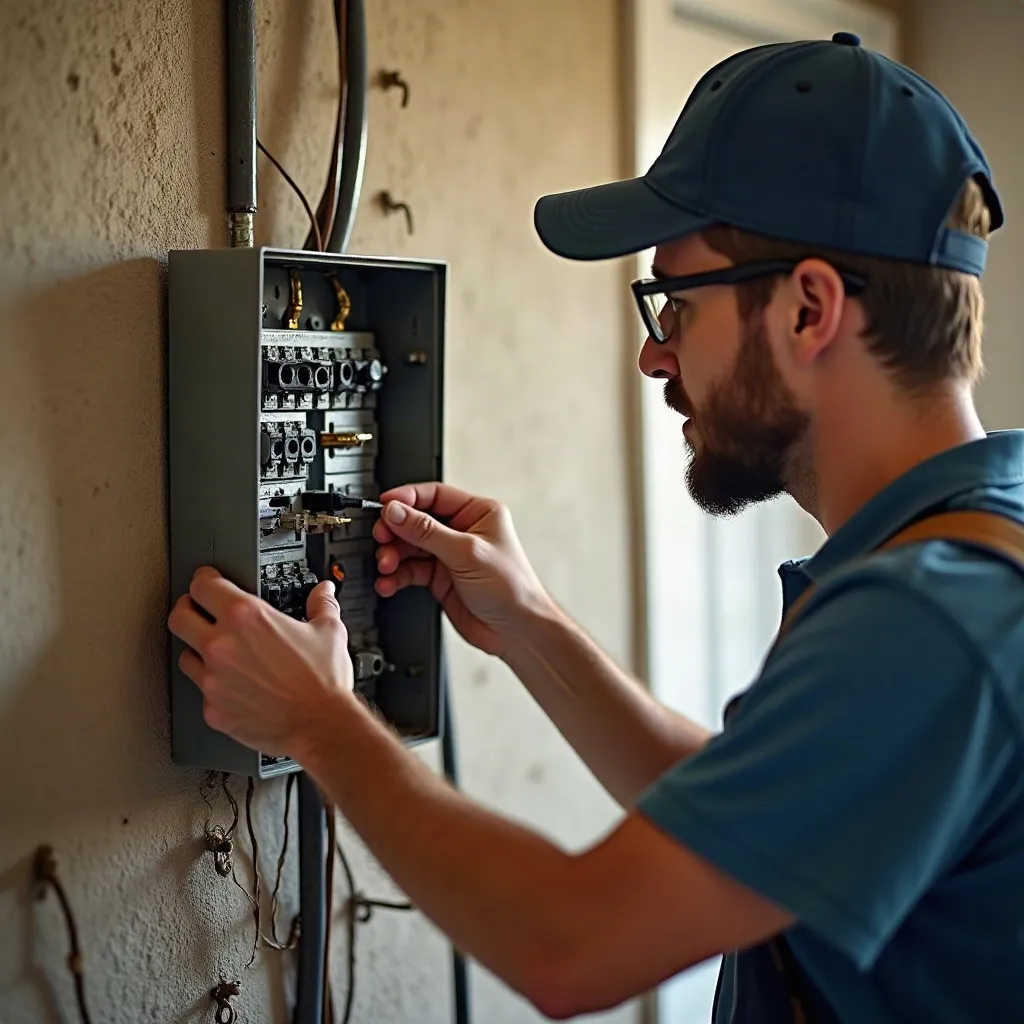
General Markers of Circuit Breakdowns
How can homeowners recognize wiring concerns before they escalate? Homeowners should be vigilant for specific signs indicating potential wiring concerns. Frequent tripped circuit breakers can reveal power surges or poor electrical work. Additionally, unusual odors, such as burning, may suggest overheated wires or insulation. Flickering or dimming lights, especially when multiple fixtures are affected, can indicate an unstable electrical supply. Moreover, outlets that feel warm to the touch or show discoloration could point to a serious wiring issue. Homeowners should also take note of buzzing sounds from outlets or switches, which may indicate improper installation or failing components. Finally, if devices frequently experience malfunctions or if the home's electrical system seems outdated, it might be time to consult a professional. Recognizing these warning signs early can prevent more significant problems and guarantee the safety and functionality of the home's electrical system.
The Risks of Strobing Lights
Lights that flash pose substantial dangers in a home, often serving as a warning sign of concealed electrical problems. This phenomenon may indicate loose wiring, which can lead to arcing, a perilous condition in which electricity leaps between wires. Such arcing can cause overheating and potentially lead to electrical fires. Moreover, flickering lights may indicate an overloaded circuit, where too much current is being drawn, risking damage to appliances and the electrical system itself.
Home dwellers may additionally face persistent disruptions in their lighting, which can produce diminished visibility and heightened danger of incidents. Disregarding flickering lights can aggravate these difficulties, producing more acute power failures. Hiring a qualified electrical specialist is imperative to diagnose and rectify the root issue of flickering lights, ensuring safety and re-establishing stable power supply. Rapid attention to this problem can mitigate serious dangers and shield both dwelling and dwellers.
Grasping Circuit Breaker Trips
Knowing about breaker trips is essential for homeowners facing electrical issues. A circuit breaker serves as a safety device, built to interrupt electrical flow when it detects an surge, short circuit, or ground fault. These disconnections protect against concerns, such as electrical fires or equipment damage.
If a circuit breaker activates, it suggests that your power system is dealing with an fault. Common reasons involve excessive circuit loads caused by too many gadgets, faulty electrical wiring, or malfunctioning devices. Property owners should track which particular breaker keeps tripping, since this helps identify the source of the problem.
Although resetting a triggered breaker appears uncomplicated, frequent occurrences signal an underlying issue that requires expert assistance. An electrician can diagnose the problem, guaranteeing the home's power network works securely and effectively. Knowing about these events shields your property while advancing overall electrical safety throughout the home.
Steps to Take When Outlets Cease to Function?
When electrical receptacles cease to function, it can interrupt daily activities and cause frustration. Individuals may initially need to check if the breaker switch has tripped, as this is a frequent culprit. If the breaker is undamaged, examining the outlet itself for obvious wear and tear or signs of wear is recommended. Loose connections or scorch marks may indicate a more serious issue.
Subsequently, testing the outlet with a alternate device can help determine whether the problem lies with the outlet or the equipment. If multiple outlets in the same area are nonfunctional, the concern may be associated with wiring or a GFCI outlet that must be reset.
Should these opening diagnostic attempts fail to solve the problem, it is advisable to contact a licensed electrician. They exhibit the technical knowledge to diagnose and fix electrical issues responsibly, affirming that the home's electrical system runs effectively and eluded potential hazards.
The Complications Stemming from Overburdened Electrical Components
Overloaded circuits cause major risks in power networks, typically originating from heavy use of outlets and devices. Detecting the red flags of overloading, including common tripped breakers or flickering lights, is critical for protection. Deploying sound prevention strategies can help lower these hazards and provide a reliable electrical infrastructure.
Causes of Strained Circuits
A substantial number of homes face problems resulting from overloaded circuits, which can create critical electrical hazards. Overloading usually occurs when too many devices draw power from a single circuit, exceeding the circuit's capacity. Common causes include the use of multiple high-power appliances, such as space heaters and microwaves, at the same time on the same circuit. Additionally, aging wiring systems may not accommodate modern electrical demands, adding to overloads. Poorly placed extension cords and power strips can further worsen the issue by spreading power unevenly. Moreover, a lack of understanding about electrical ratings among homeowners often leads to unintentional overuse of circuits, increasing the risk of overheating and potential fire hazards. Proper circuit management is essential for safety and efficiency.
Red Flags of Overloading
Understanding the signs of overloaded circuits is essential for upholding electrical safety in a home. Common signals include multiple circuit breaker trips, which demonstrate that the electrical demand exceeds the circuit's capacity. Dimming or flickering lights can also signal overload, as they may attempt to receive adequate power. Additionally, outlets that feel warm to the touch or emit a burning smell pose serious risks, indicating potential overheating. Inconsistent performance of electrical devices may further point out the issue, suggesting that they are not receiving stable power. Homeowners should pay attention to these signs, as ignoring them can lead to more severe electrical problems, including potential fire hazards. Prompt assessment by a qualified electrician is necessary for addressing overloaded circuits effectively.
Preventative Strategies On Offer
To curb the risks linked to overloaded circuits, homeowners can apply a number of practical prevention strategies. Initially, it’s important to ensure that the total wattage of appliances remains below the circuit’s capacity. Employing power strips with built-in circuit breakers adds further defense against overloads. Regular checks of electrical cords for signs of wear and tear are vital, since damaged cords may cause higher resistance and overheating. Also, allocating electrical loads over several circuits can prevent overloading any single one. Homeowners should avoid daisy-chaining multiple extension cords, which can greatly increase the chance of overloads. Lastly, engaging a licensed electrician for a comprehensive assessment of the electrical system in the home provides tailored recommendations and safety measures.
How Will an Electrical expert Assess Electrical difficulties?
Identifying power problems demands a methodical approach that merges technical expertise with keen observation. Electrical professionals begin by collecting data from the client, documenting signs like lights that flicker or tripped breakers. They regularly perform a visual inspection of the power panel, receptacles, and electrical wiring to spot any obvious issues, such as compromised insulation or loose links.
Next, electricians employ technical equipment, such as multimeters and circuit testers, to assess voltage, current, and resistance levels. This aids in pinpointing the exact location of the fault. They may also test for ground faults or short circuits, which can cause significant hazards. Throughout the process, electricians maintain safety protocols to guarantee their own protection as well as that of the property. By carefully removing potential causes, they can accurately diagnose the problem, allowing for effective repairs and restoring safety in the electrical system.
Preventative Procedures for Electric Safeguarding
Preventative approaches for safe electrical operations are vital in decreasing dangers connected to electrical systems. Periodic assessments, circuit breaker maintenance, and appropriate wiring methods can substantially boost the reliability and safety of electrical installations. Implementing these methods helps in identifying emerging concerns before they transform into serious problems.
Standard Electrical Reviews
Periodic electrical inspections hold an essential part in maintaining safety and efficiency within residential and business properties. These inspections assist in identifying potential hazards, such as frayed wires, overloaded circuits, and outdated equipment. By finding issues early, property owners can deter costly repairs and guarantee compliance with safety regulations. Certified electricians execute detailed evaluations, inspecting connections, grounding systems, and load capacities. They also appraise the overall condition of electrical panels and devices, providing suggestions for needed upgrades or repairs. Regular inspections not only improve safety but also enhance energy efficiency, decreasing utility costs over time. Ultimately, putting efforts in these routine inspections creates peace of mind, knowing that an electrical system operates effectively and safely.
Circuit Breaker Upkeep
Proper care of electrical breakers is vital for guaranteeing safe power distribution and dependability in any property. Routine maintenance helps avoid unexpected power failures and decreases the risk of electrical fires. Property owners should periodically check for signs of wear, such as rust or discoloration, and make sure that the breaker panel is free from dust and debris. It's also important to test the breakers by resetting them occasionally to confirm their functionality. Also, consulting with a licensed electrician for routine checks can detect issues early before they worsen. Effective labeling of breakers facilitates quick access in emergency situations. Following such preventative actions prolongs the life of circuit breakers and encourages a safer environment for occupants.
Safe Wiring Practices
Ensuring safe wiring practices is essential for minimizing electrical dangers in any location. Proper installation techniques, including using the correct wire gauge and properly securing connections, play a key role in avoiding overheating and electrical fires. Adherence to local building codes and regulations is also crucial for achieving compliance and safety. Routine inspections can uncover potential problems such as frayed wires or loose connections before they become serious issues. Using quality materials and components ensures longevity and reliability. Additionally, employing professional electricians for installations and repairs is advisable, as their expertise greatly minimizes risks associated with improper wiring. By adopting these practices, individuals can enhance safety and efficiency in their electrical systems.
Frequently Posed Questions
How Regularly Should I Get My Electrical Setup Inspected?
Homeowners need to get their wiring checked every three to five years. Periodic inspections help uncover potential issues early, maintaining safety and efficiency, while also increasing the lifespan of the electrical setup overall.
Can I Perform My Own Electrical Repairs Without Risk?
Though some small fixes could be tried, it is generally unsafe for individuals without proper training to conduct electrical work. Licensed electricians have the expertise and tools necessary to guarantee safety and compliance with regulations.
What Are the Signs of Aging Wiring?
Markers of deteriorating wiring include frequent circuit breaker trips, fluctuating lights, discolored outlets, a burning smell, and the presence of two-prong outlets. These indicators often recommend the requirement for an rewiring initiative for protection.
What Steps Can I Take to Stop Electrical Fires in My Home?
To avoid fire hazards from electricity, one should frequently check wiring, avoid overloading circuits, use correct wattage bulbs, set up smoke detectors, and ensure appliances are in good condition. Regular expert evaluations significantly improve safety in the home.
What Experience Do You Need to Look for in an Electrician?
When looking for an electrician, one should prioritize certifications, licenses, and experience. Additionally, checking references and confirming familiarity with local codes and safety standards can help guarantee quality work and reliability in electrical services.
Report this page